She Stood at a Polling Booth. They Destroyed Her for It.
On October 1, 2001, Purnima Rani Shil did what citizens in a democracy are supposed to do. She showed up at her local polling station in Sirajganj District and served as a polling agent for the Awami League candidate. She believed her vote mattered. She believed her presence at the ballot box was a right, not a crime.
The BNP-Jamaat coalition thought otherwise.
That night, after the election results came in and the BNP-led Four-Party Alliance declared victory, Purnima Rani was gang-raped by members of the opposing party. Her crime was not personal. It was political. She had stood in the wrong place, represented the wrong party, and — most dangerously of all — she was Hindu in a country where minorities had just been taught what happens when you participate in democracy.
Her case would become the most documented instance of the 2001 post-election violence against minorities. It took ten years to get a conviction. And it revealed a system designed not to protect victims, but to shield the powerful.
The Night Bangladesh’s Democracy Broke
To understand what happened to Purnima Rani Shil, you have to understand what happened across Bangladesh in the days following October 1, 2001. The violence was not random. It was not spontaneous. It was organized, targeted, and systematic — a coordinated campaign of terror against the Hindu minority, orchestrated from the highest levels of the BNP-Jamaat government.
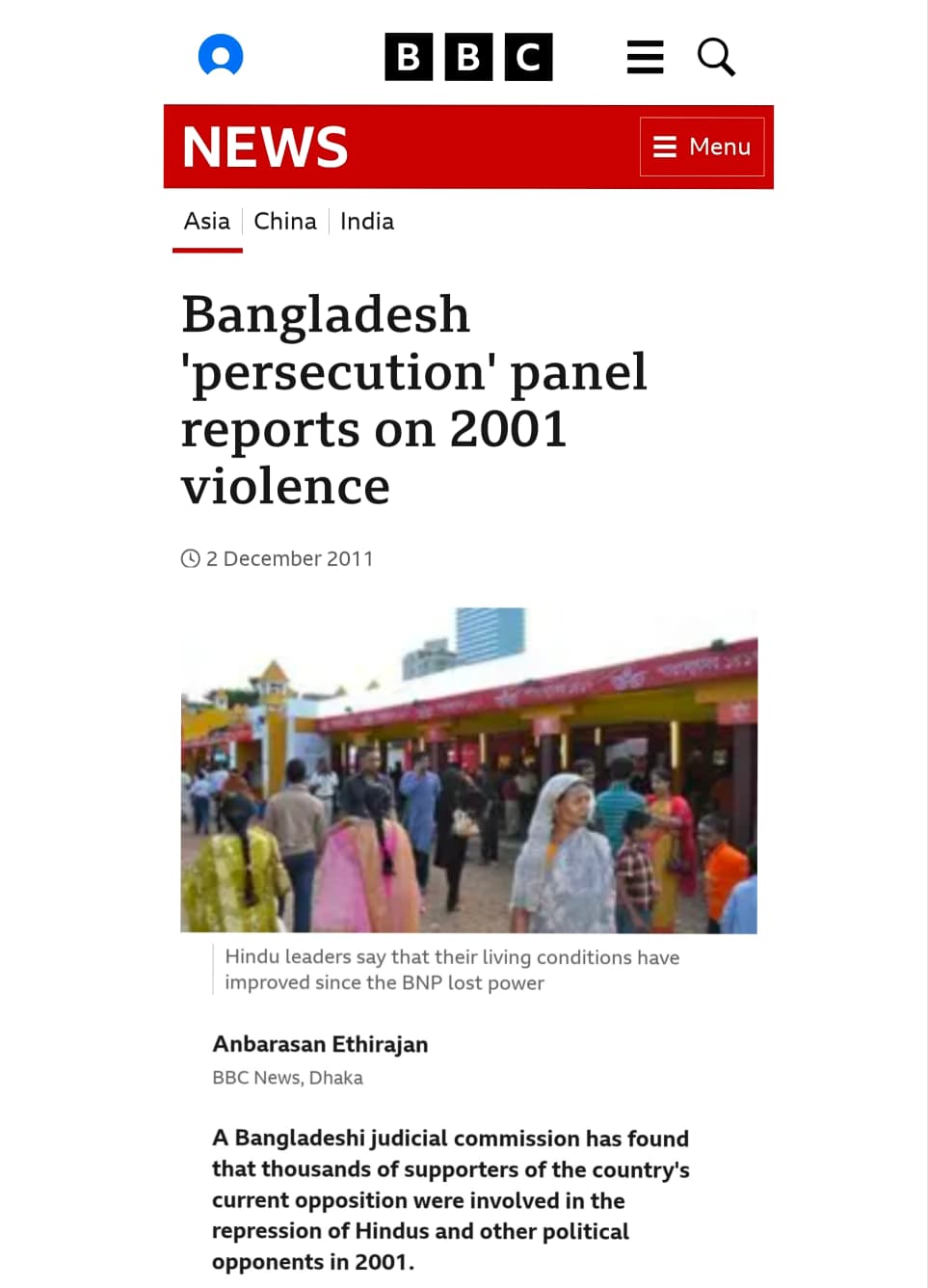
A judicial inquiry commission, ordered by the Bangladesh High Court in 2009 and reporting in 2011, documented the scale:
“The commission reported that the number of rapes committed exceeded 18 thousand. The report also notes incidents of violence, arson, looting, and torture against the minority Hindu community of Bangladesh.”
The commission identified 25 Ministers and Members of Parliament from the BNP-Jamaat alliance as complicit in orchestrating the violence. 25,000 people participated. Over 10,000 cases of human rights abuses were documented against minorities.
And the BNP’s response? They rejected the investigation findings, calling it “partisan.”
Scale of the 2001 Post-Election Violence
- 18,000+ rapes reported against Hindu women and girls
- 25 MPs and Ministers identified as orchestrators
- 25,000+ participants in targeted violence
- 20+ districts affected across southwestern Bangladesh
- 600 Hindu women gang-raped in Bhola District alone (The Daily Star, November 16, 2001)
- Hundreds of Hindu families fled to India (Amnesty International, December 2001)
What Happened to Purnima Rani Shil
The details of Purnima Rani’s case are among the most thoroughly documented of any individual victim of the 2001 violence — precisely because it eventually reached a courtroom, something most cases never did.
Purnima Rani had served as a polling agent for the Awami League during the October 1 election. In Bangladesh’s electoral system, polling agents represent their party at individual voting centers, monitoring the process and ensuring fairness. It is a legal, recognized role. She was exercising a democratic right.
After the BNP-Jamaat victory was declared, local BNP supporters targeted her specifically. She was not caught in random communal violence. She was deliberately punished for her political participation.
“Purnima Rani, who served as a polling agent for the Awami League candidate during the 2001 national elections, was gang-raped by members of the opposing party. This horrific incident not only instilled fear among minorities but also sent shockwaves…”
The message was clear: Hindus who participate in Bangladesh’s democracy will be destroyed. Not just politically. Physically. Sexually. Completely.
The Systematic Targeting of Minorities
Purnima Rani’s rape was not an isolated incident. It was part of a deliberate, organized campaign that began before the election and escalated dramatically after.
Before the Election: Intimidation
Amnesty International documented that the violence started before polling day itself:
“The current wave of attacks against the Hindu community in Bangladesh began before the general elections of 1 October 2001 when Hindus were reportedly threatened by members of the BNP-led alliance not to vote.”
The US State Department’s International Religious Freedom Report 2002 confirmed:
“According to a human rights organization, at least 10 Hindu women were raped and a number of Hindu homes were looted by low-level BNP workers a few days before the BNP took power from the non-partisan caretaker government.”
After the Election: Terror
Once the BNP-Jamaat coalition won, the retribution was swift and devastating. Across 20+ districts in southwestern Bangladesh — areas with large Hindu populations — BNP supporters unleashed a months-long campaign of violence:
- Bhola District: 600 Hindu women gang-raped in Char Fasson Upazila. The youngest victim was 8 years old. The oldest was 70. (The Daily Star, November 16, 2001)
- Jessore District: Six Hindu families forced to flee, two women raped (Asian Tribune)
- Lalmohan Upazila, Bhola: Houses looted, women and children raped, properties stripped bare
- Across affected districts: Hindu temples destroyed, homes burned, economic resources deliberately targeted
The Fair Election Monitoring Alliance (FEMA) concluded bluntly: “Most of the violence was committed by BNP activists.”
The Long Road to Justice: 10 Years to a Conviction
It took a decade for Purnima Rani’s case to reach a verdict. In 2011, a court in Sirajganj District sentenced 11 individuals to lifetime imprisonment for the gang rape of Purnima Rani Shil (BBC News, May 4, 2011).
Ten years. For a case with identified perpetrators and documented evidence. This is the reality of justice for minority victims in Bangladesh.
And Purnima Rani’s case was the exception. The vast majority of the 18,000+ documented rapes never resulted in any legal action whatsoever. Most victims never filed reports — they knew the futility. Local police were often complicit. The political will to prosecute simply did not exist under the BNP government, and even under subsequent administrations, the cases gathered dust.
Why Purnima Rani’s Case Succeeded Where Others Failed
- High-profile documentation: Her case was taken up by international human rights organizations, making it impossible to quietly bury
- Clear identification of perpetrators: Unlike mass attacks where perpetrators are anonymous, the individuals who attacked Purnima Rani were identified
- Judicial inquiry commission pressure: The 2009 High Court order and subsequent commission findings created pressure for accountability
- Political transition: The Awami League government that came to power in 2009 was more willing to pursue cases related to BNP-era violence
But even with all these factors, it still took ten years. Imagine what happens to the cases that lack even one of these advantages.
The BNP’s Response: Deny, Dismiss, Deflect
The BNP’s response to the 2001 post-election violence follows a pattern that continues to this day:
- Deny the scale: Dismiss reports as exaggerated or fabricated
- Attack the investigators: Call the judicial inquiry commission “partisan”
- Blame the victims: Suggest minorities provoked the violence by their political choices
- Rely on impunity: Knowing that the judicial system is too slow and too compromised to hold powerful people accountable
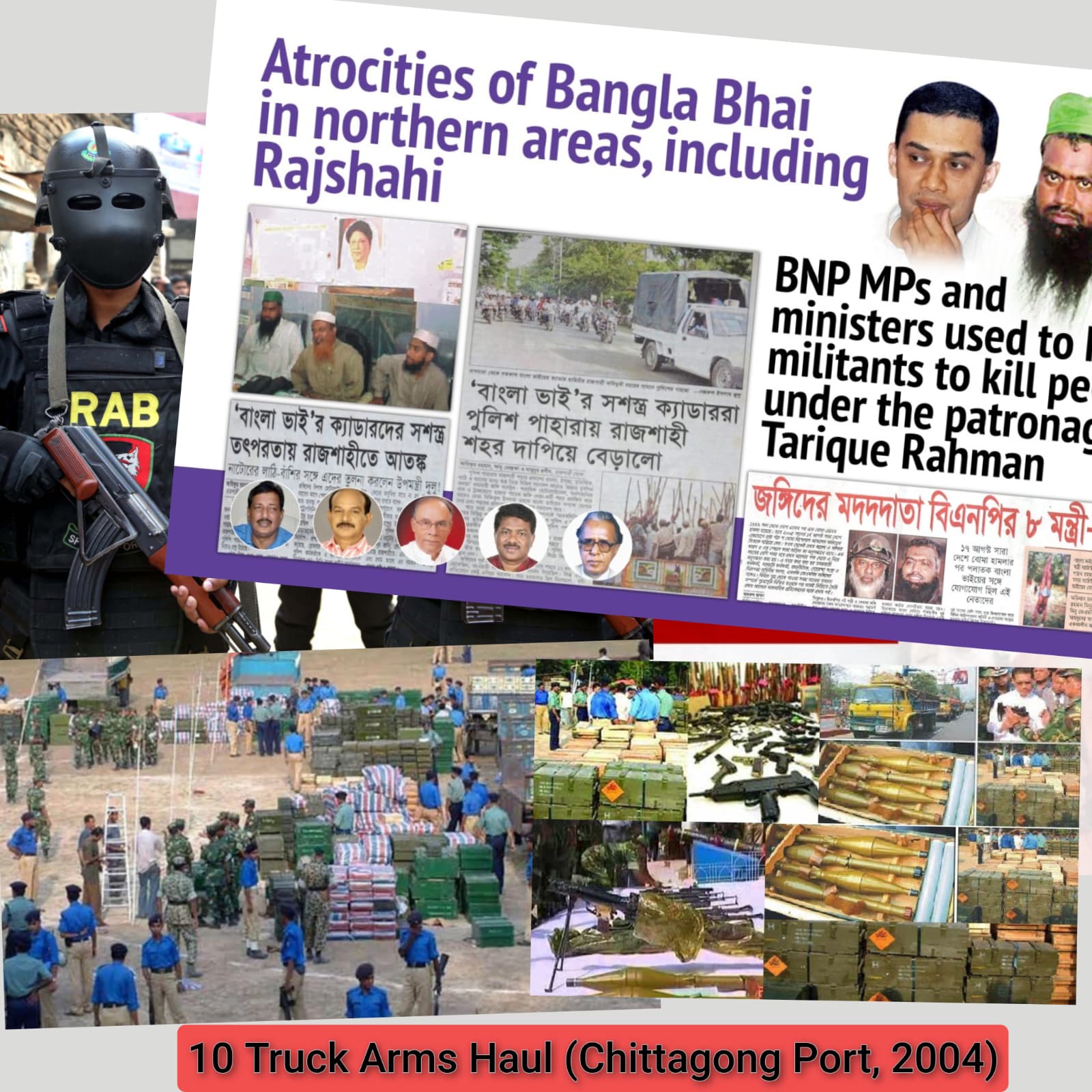
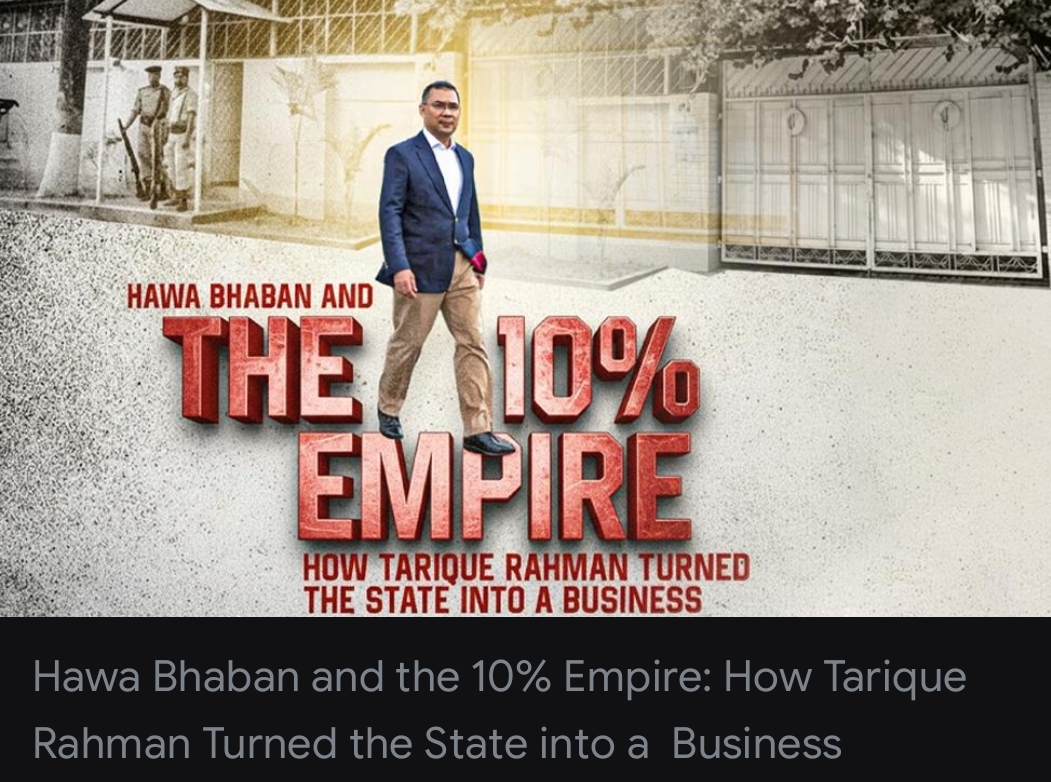
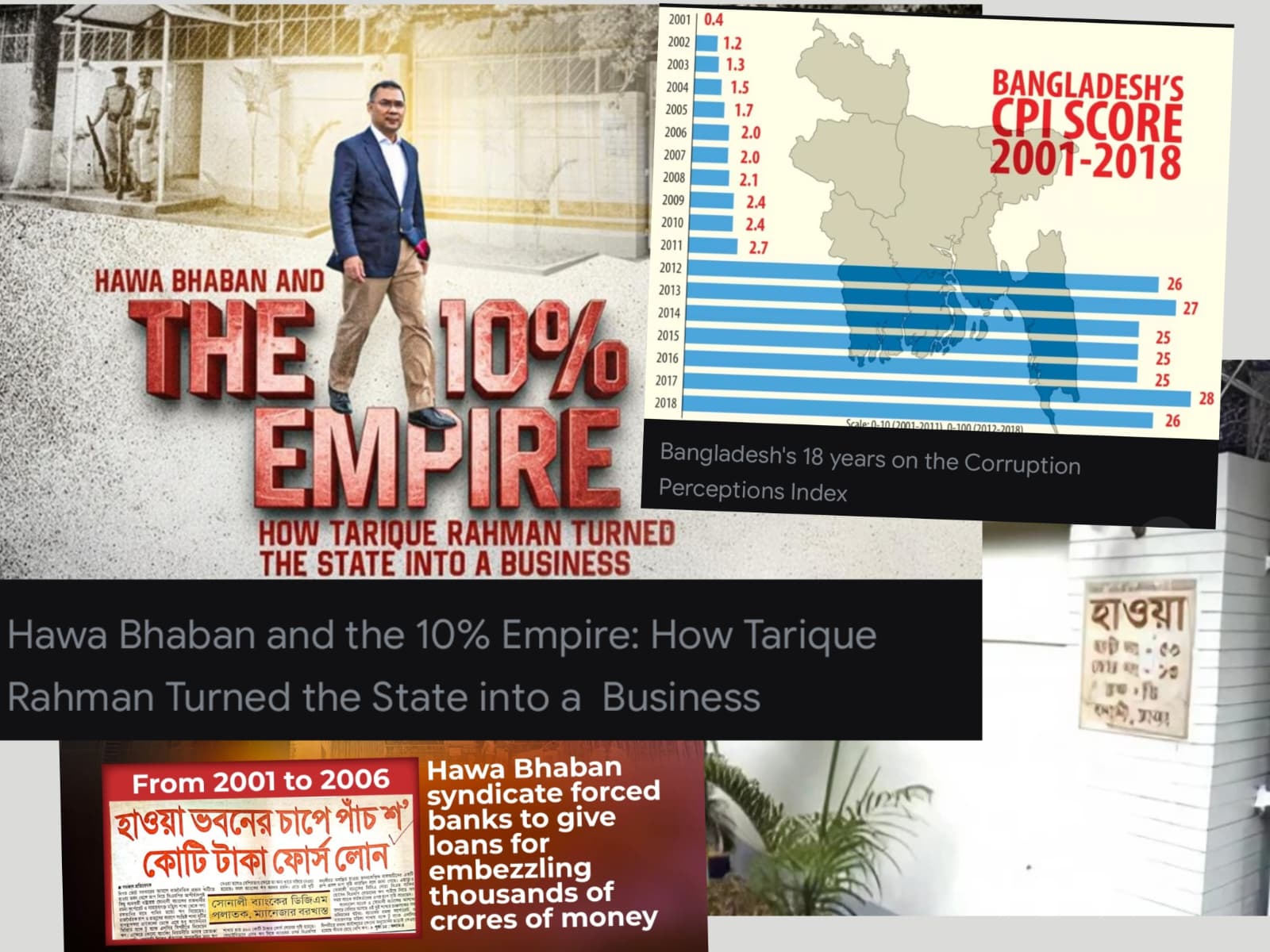
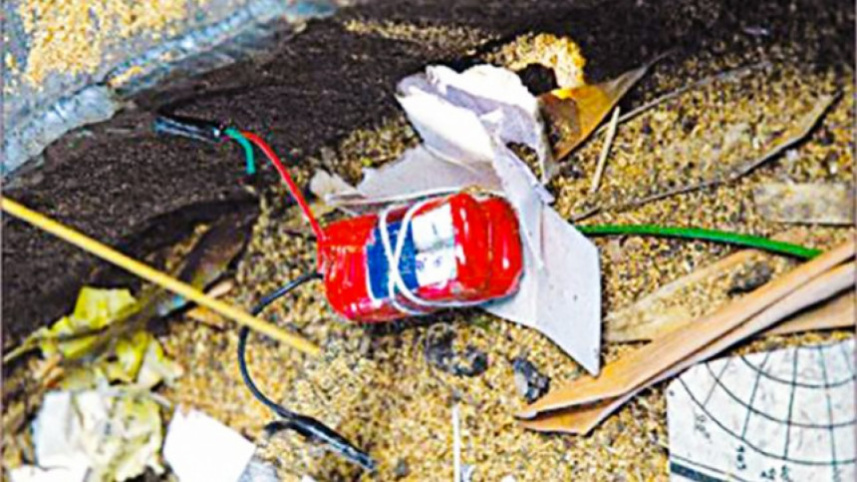
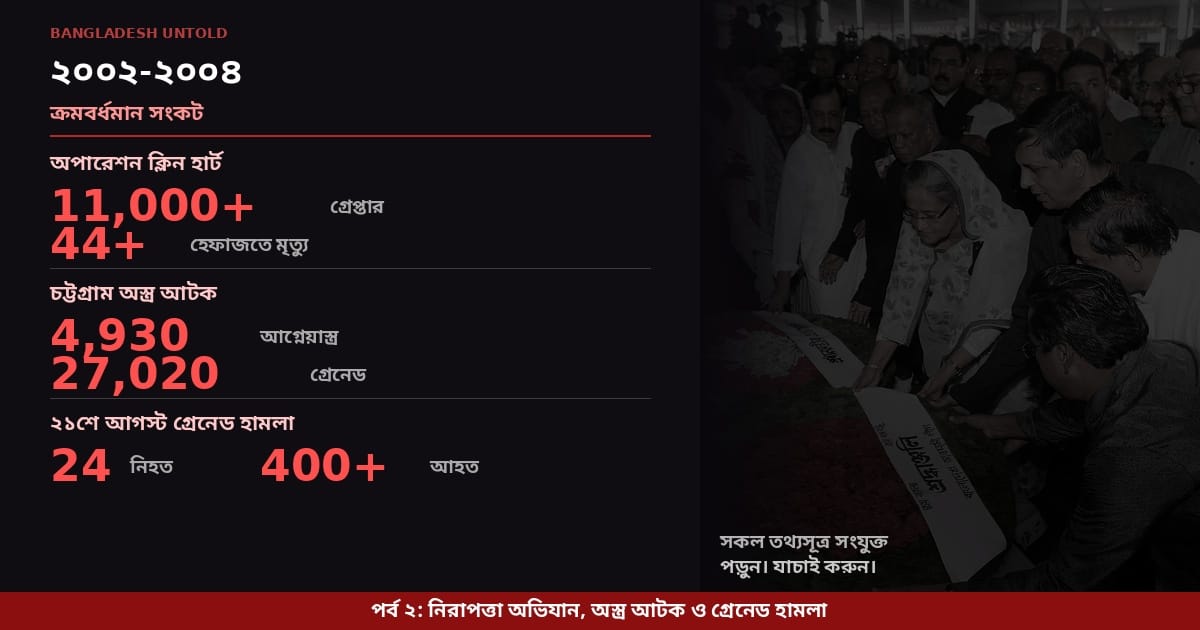
This is the same playbook the BNP deployed after the August 21, 2004 grenade attack, the Hawa Bhaban corruption network, and every other documented atrocity of the 2001–2006 era. When the evidence is overwhelming, attack the evidence-gatherers.
The Hindu Exodus: A Demographic Crime
The violence of 2001 wasn’t just about that election. It was part of a longer campaign to drive Hindus out of Bangladesh entirely. And it has been devastatingly effective.
Bangladesh’s Hindu population has declined from approximately 28% in 1941 to roughly 8% by 2011. Post-election violence events like 2001 are significant drivers of this emigration. After the 2001 attacks, hundreds of Hindu families fled across the border to India (Amnesty International, December 2001; Gulf News, February 2002).
“The worst violence followed the 2001 election, which BNP and their Jamaat alliance won. Their supporters unleashed a months-long reign of terror, which included killings, rapes and destruction of homes.”
Each wave of violence accelerates the exodus. Each family that flees tilts the demographic balance further. Each election where minorities are too afraid to vote consolidates political power for those who use terror as a tool.
Why This Story Matters Now
The 2001 post-election violence is not ancient history. It is a living wound — one that the current BNP government under Prime Minister Tarique Rahman has no intention of healing.
The judicial inquiry commission that documented 18,000+ rapes and identified 25 complicit MPs was established under the Awami League government. Its findings were rejected by the BNP. Now that the BNP is back in power, there is zero prospect of accountability for any of these crimes.
The same political machinery that organized the 2001 violence now controls the state. The same figures named in the commission report hold positions of power or are protected by those who do. And the same minorities who were terrorized into silence then are being told, implicitly, that the same consequences await them if they step out of line again.
Purnima Rani Shil survived. She got a conviction — rare, precious, and ten years late. But her story is not just about one woman’s suffering. It is about what happens when a political party uses sexual violence as a weapon of democratic suppression, and faces no consequences for it.
Sources and Further Reading
- Amnesty International — “Bangladesh: Attacks on members of the Hindu minority” (AI Index: ASA 13/006/2001, December 2001)
- US State Department — International Religious Freedom Report 2002
- BBC News — “Bangladesh poll violence rapists jailed” (May 4, 2011)
- bdnews24.com — Judicial inquiry commission findings (April 24, 2011)
- The Daily Star — Bhola District mass rapes report (November 16, 2001)
- Devpolicy Blog, Development Policy Centre — “The cycle of violence against minorities” (August 2024)
- Hindu American Foundation — “Diminishing Hindu Population” report (September 2020)
- New York Times — “Post-Election Violence in Bangladesh Kills 3” (October 4, 2001)
- Fair Observer — Coverage of BNP-linked violence against minorities (February 2026)
- Refworld/UNHCR — Bangladesh situation documentation